
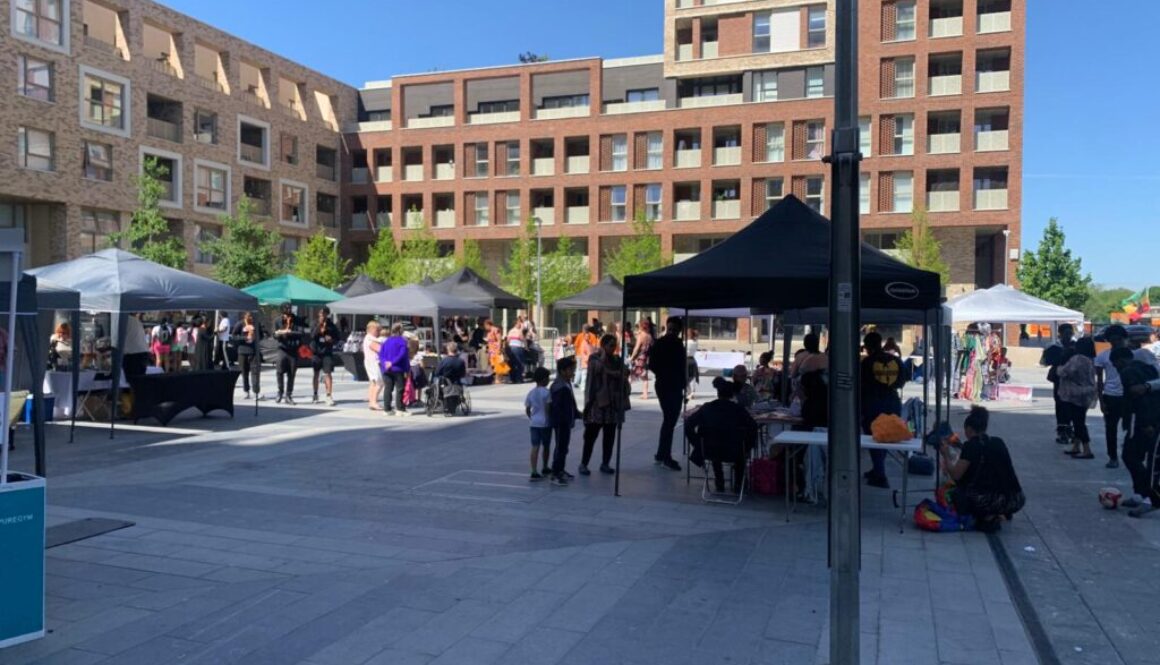
Thamesmead’s Transformation: A Bold Vision for London’s Future
Thamesmead, once a post-war housing experiment in Southeast London, is undergoing one of the UK’s most ambitious urban regeneration projects. With billions in investment, new infrastructure, and a focus on sustainability, Thamesmead is being reshaped into a thriving, modern community.
This blog explores:
✔ The history of Thamesmead and why regeneration is needed
✔ Key transformation projects shaping its future
✔ Major players driving the change
✔ The impact on residents and London’s housing landscape
A Brief History: From Post-War Estate to 21st-Century Hub
Built in the 1960s on former marshland, Thamesmead was designed as a futuristic “town of tomorrow.” Its brutalist architecture, waterways, and green spaces were innovative for the time, but decades of underinvestment led to:
- Poor transport links (no Tube access until the Elizabeth Line)
- Aging infrastructure (leaky concrete structures, outdated utilities)
- Social challenges (high unemployment, limited amenities)
Today, Thamesmead is one of London’s biggest regeneration zones, with plans for 20,000+ new homes, schools, parks, and businesses by 2050.
Major Transformation Initiatives
1. The Thamesmead Waterfront Development
Led by: Peabody (housing association) & Lendlease (developer)
Investment: £8 billion+ over 30 years
Key Features:
- 11,500 new homes (35% affordable)
- New town center with shops, offices, and leisure spaces
- Enhanced public spaces along the Royal Docks and River Thames
- Improved flood defenses (critical for the low-lying area)
2. Abbey Wood & South Thamesmead Regeneration
Led by: Bexley Council & Transport for London (TfL)
Key Projects:
- Elizabeth Line (Crossrail) station at Abbey Wood (2022) – cutting commute times to Canary Wharf (10 mins) and central London (20 mins)
- New cycling & walking routes connecting Thamesmead to Woolwich and Greenwich
- Expansion of local schools & health centers
3. The Lakeside Centre & Cultural Hub
Led by: Peabody & Bow Arts
Features:
- A new creative district with artist studios, galleries, and workshops
- Community events (festivals, markets, performances)
- Training programs for local talent in arts and tech
4. The Southmere Village Redevelopment
Led by: Peabody & Notting Hill Genesis
Highlights:
- 1,500 new homes (mix of social rent and private sale)
- A new library, health center, and nursery
- A revitalized town square with cafes and green spaces
5. The Tump 53 Climate Resilience Project
Led by: The London Wildlife Trust & Peabody
Goal:
- Restoring natural wetlands to combat flooding
- Creating a biodiverse nature reserve for wildlife
- Educational programs on sustainability
Key Players in Thamesmead’s Regeneration
1. Peabody Housing Association
- Primary master developer for Thamesmead’s 30-year plan
- Investing £8 billion+ in housing, infrastructure, and community programs
- Focus on affordable homes (40% of new units)
2. Lendlease
- Global developer behind major projects like the London 2012 Olympic Village
- Leading the waterfront development with Peabody
- Specializing in sustainable urban design
3. Bexley & Greenwich Councils
- Approving planning permissions and local policy changes
- Funding schools, roads, and public services
- Supporting job training schemes
4. Transport for London (TfL)
- Delivered the Elizabeth Line station at Abbey Wood
- Improving bus routes and cycling lanes
- Planning future extensions (potential DLR or Overground links)
5. Local Community Groups
- Thamesmead Now (advocacy for resident voices in planning)
- The Thamesmead Community Fund (grants for local projects)
- Bow Arts & The Albany (cultural programming)
Challenges & Controversies
While regeneration brings opportunities, there are concerns:
- Gentrification fears – Will long-term residents be priced out?
- Construction disruptions – Noise, dust, and road closures
- Affordability gaps – Are “affordable” homes truly accessible?
Peabody has pledged community-first policies, including:
✔ Priority for local residents in new housing
✔ Job opportunities for Thamesmead workers
✔ Protections for social renters
The Future of Thamesmead: A Model for Urban Regeneration?
By 2050, Thamesmead could be:
🏙 A fully connected London suburb with expanded transit
🌿 A green, flood-resilient community with parks and wetlands
🎭 A cultural hotspot with theaters, galleries, and festivals
Final Thoughts: A Once-Forgotten Town Reborn
Thamesmead’s transformation is more than just new buildings—it’s about creating a sustainable, inclusive, and vibrant place to live. With billions invested and major developers on board, this could be one of London’s most successful regeneration stories.
What do you think?
- Will Thamesmead become a desirable place to live?
- Are the affordable housing promises enough?
- What else does the area need?
Share your thoughts in the comments! 🏗️🌉
📌 Follow the latest updates: